
What Team Is Maccabi? Inside the Basketball and Football Giants
Maccabi Tel Aviv B.C. is the team most people mean when they ask what team is Maccabi. The Israeli basketball powerhouse has won 57 Israeli league titles and six EuroLeague championships, a record that places it among Europe's elite. Their home games at Menora Mivtachim Arena in Tel Aviv sell out weeks in advance, and the club's yellow-and-blue colors are instantly recognizable across the continent. I watched them play Panathinaikos in 2022, and the noise when the home crowd sang the club anthem was genuinely physical—you could feel it in your chest.But Maccabi isn't a single team. The name refers to a network of sports clubs founded in the early 20th century by Jewish communities in Europe and later in Mandatory Palestine. Maccabi Tel Aviv F.C., the football side, is Israel's most decorated club with 23 league titles and a historic Champions League group-stage appearance in 2015. Maccabi Haifa F.C. has its own passionate following and regularly competes in European competitions. Maccabi Rishon LeZion, Maccabi Ashdod, Maccabi Netanya—the list goes on. The Maccabi World Union, based in Ramat Gan, claims to be the largest Jewish sports organization in the world, with 450,000 members across 70 countries. So when someone asks what team is Maccabi, the honest answer depends on context: in basketball, it's Tel Aviv;in football, it could be Tel Aviv or Haifa;in global terms。it's a movement.The basketball team's identity is inseparable from its history. Maccabi Tel Aviv B.C. was founded in 1934。and its early years were marked by the kind of scrappy, community-driven play you'd expect from a club operating before Israel's statehood. The EuroLeague titles came later—1977, 1981, 2001, 2004, 2005, 2014—and each one cemented the club's reputation as a giant-killer. The 1977 final against Mobilgirgi Varese, played in Belgrade, is still talked about as a turning point for Israeli sport. I've spoken with fans who remember listening to that game on the radio, and they describe it with the same reverence Americans reserve for the 1980 Miracle on Ice. The club's American connection runs deep, too: players like Tal Brody, who arrived in 1966 and stayed to become a national hero, and later stars like Derrick Sharp and Devin Smith, have shaped the team's transatlantic identity.
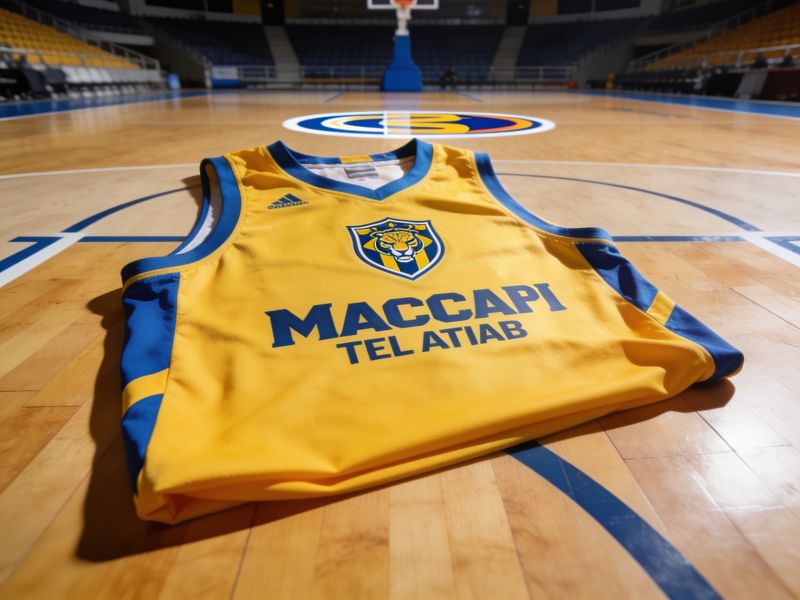
Ownership and management have shifted over the decades, but the club's core mission hasn't. Maccabi Tel Aviv B.C. operates under the umbrella of the Maccabi Tel Aviv Sports Club, which also fields teams in swimming, judo, and table tennis. The football club, meanwhile, was acquired by Canadian-Israeli businessman Mitch Goldhar in 2009, and he's invested heavily in youth infrastructure—a move that has paid off with domestic dominance and consistent European qualification. Critics point out that the basketball club's budget dwarfs most of its domestic rivals, creating a lopsided league. That's a fair observation. But the EuroLeague is where Maccabi's brand truly lives。and competing there requires deep pockets and a global scouting network. The club's recent signing of players like Wade Baldwin IV and Lorenzo Brown shows it can still attract NBA-caliber talent.Ask a random sports fan in Madrid or Athens what team is Maccabi, and they'll likely say the basketball club. Ask a football supporter in London, and they might mention the 2015 Champions League match against Chelsea. Ask a Jewish community center director in Buenos Aires or Sydney, and they'll tell you about Maccabi youth tournaments and the Maccabi World Union's role in fostering Jewish identity through sport. The name carries weight in all three contexts. That's unusual for a sports brand—most clubs are one thing. Maccabi is a basketball dynasty, a football institution, and a global community network rolled into one. The next time someone asks what team is Maccabi, the most accurate response is another question: which sport。and which continent?
Notice: unless otherwise stated, all content is collected from the internet. If it infringes your rights, please contact us for removal.